

If you work in commercial construction, plumbing, HVAC, or electrical services, you’ve likely heard the term Unistrut used on site. However, in practice, most people use “Unistrut” to describe a strut channel system, regardless of brand.
In this guide, we explain what “Unistrut” refers to, how strut channels work, where they are used, and what to look for when choosing a strut channel system for your project. This article is written to help both industry professionals and those new to construction understand the system, and terminology clearly.
Note: “Unistrut” is commonly used as a generic industry term. This article refers to strut channel systems and does not imply affiliation with or supply of the Unistrut® brand.
What Does “Unistrut” Mean?
Unistrut is a brand name, and over time has become a commonly used industry term for metal strut channel framing systems. Similar to how people say “Jacuzzi” for a hot tub, more trades are using “Unistrut” to describe the type of product, not the brand itself.
In practical terms:
- Unistrut usually refers to a metal strut channel
- The actual product is a strut channel framing system
- Multiple manufacturers produce compatible strut channel systems
Therefore, understanding this distinction is important when specifying products or sourcing materials for a project.


What Are Strut Channels?

Strut channels are metal framing systems designed to support building services without welding or custom fabrication. They act as a strong, adjustable rail that accepts brackets, spring nuts, clamps, and threaded rod.
Strut channels are commonly manufactured from:
- Hot-dipped galvanised steel
- Galvabond steel
- Stainless steel
As a result of their channel-shaped profile, installers can easily fix and adjust services during installation or later maintenance.
How Strut Channels Are Used on Site
Strut Channels are used wherever strong, adjustable support is required. Common applications include:
HVAC systems
- Supports and holds ductwork in place
- Carries and secures pipework for heating and cooling
- Provides stable support for HVAC plant equipment
Plumbing installations
- Holds and secures water supply pipes
- Carries and supports gas piping safely
- Manages and organizes drainage pipes effectively
Electrical services
- Supports electrical conduits for wiring
- Organises and holds cable trays neatly
- Secures trunking for safe cable management

Their ability to support multiple services in a single framework makes them ideal for complex commercial installations, regardless of the construction category.
Here is an example of a strut channel (circled in red) holding up a cable tray in an underground car park. There is also another strut channel at the bottom of the picture, demonstrating the distance between each channel to safely hold it in place.
Types of Strut Channels
There are several types of Strut Channels designed for different load requirements and environments:
- Solid (plain) strut channel
Where maximum strength and a clean finish are required. Often chosen for plant rooms and visible installations. - Slotted (pre-punched) strut channel
Features factory-cut slots for faster fixing. Commonly used on construction sites to speed up installation and allow easy alignment. - Combination channels
Are normal channels that can be mounted together, in this case back-to-back, to increase load capacity and provide extra rigidity for heavy-duty applications or long spans.
All of these options form part of a strut channel system. The term ‘Unistrut’ is often used colloquially to describe these systems, regardless of manufacturer.

Strut Channel – Back To Back
Back to back strut channel – steel framing system made from high quality cold rolled steel. Made from 2 lengths of channel, welded together. Comes in a variety of finishes including Hot Dipped Galvanised, 316 Grade Stainless Steel and can be Powder Coated.
Different Names for Unistrut/Strut Channels
People in different regions, trades, or suppliers may use different names for strut channel systems, including trade names and generic descriptions, such as:
- Unistrut (brand name, but also used as a generic term)
- Strut
- Metal framing channel
- Steel framing system
- Strut rail
- Support channel
- Kindorf (also a brand name)
These terms usually describe the same type of support system, even though the actual manufacturer may differ.
Why Strut Channels Are Commonly Used
Strut channel systems remain popular across Australian construction projects because they offer:
- Fast installation
- High load capacity
- Easy modification
- Reduced on-site fabrication
- Long service life
Video: Hvac: How Unistrut works | DIY Unistrut stand
Strut Channels in Australia
For more details about strut channel options delivered around Australia, contact Ozstrut and find out what types of strut channels would suit your project.
Find out more now!
Get in touch with Ozstrut
Finding the Right Strut Channel
The company tasked you with “finding the right Unistrut”, here is a quick guide:
| Strut Type | When to Use | Strength | Benefits |
|---|---|---|---|
Solid Strut Channel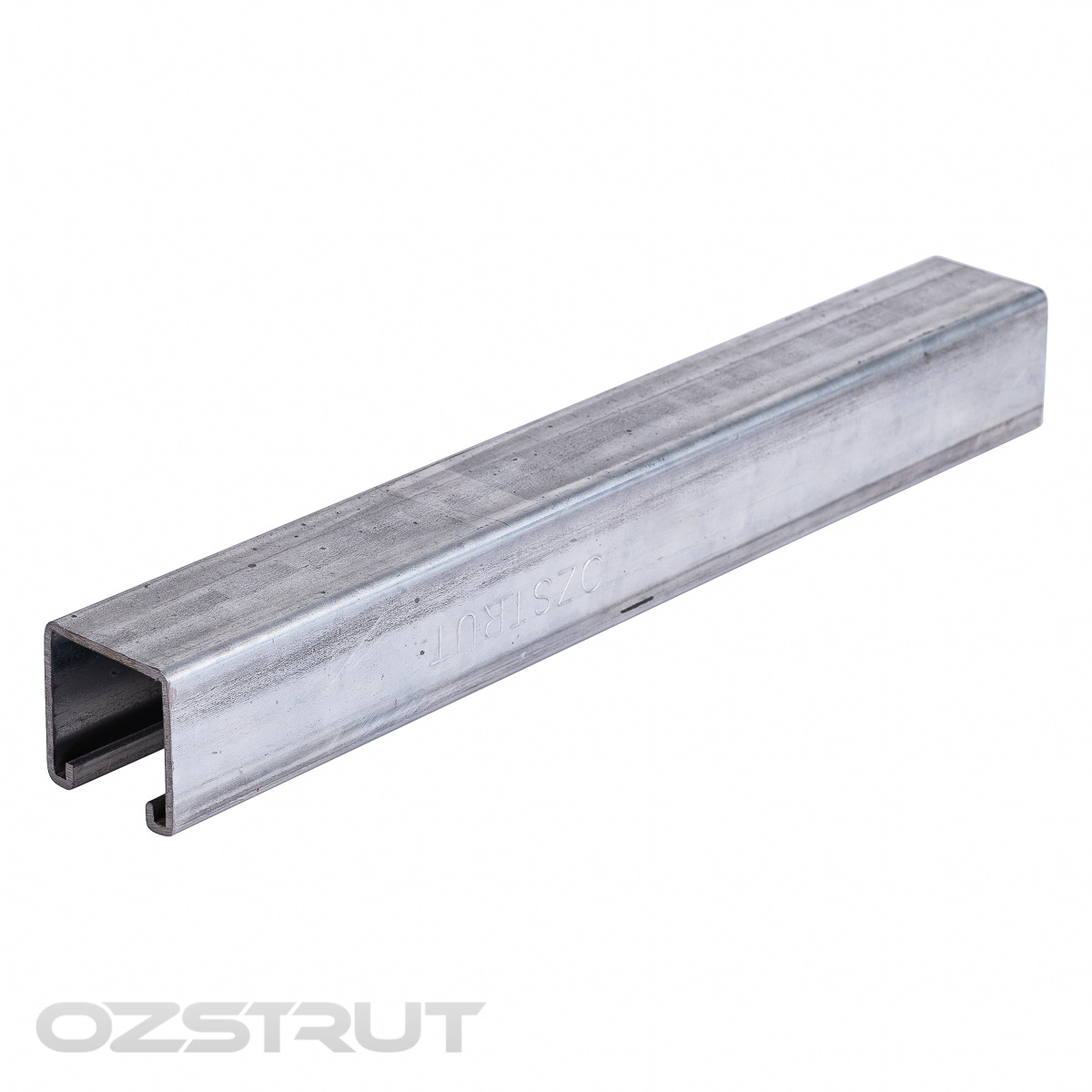 | Use when strength and durability are critical, e.g. heavy equipment supports. It is commonly used with bracket connectors and H-Frames | High | Provides maximum load capacity and a clean, finished look. Minimal adjustment after installation. Ideal where the framework won’t need frequent modifications. |
Slotted Strut Channel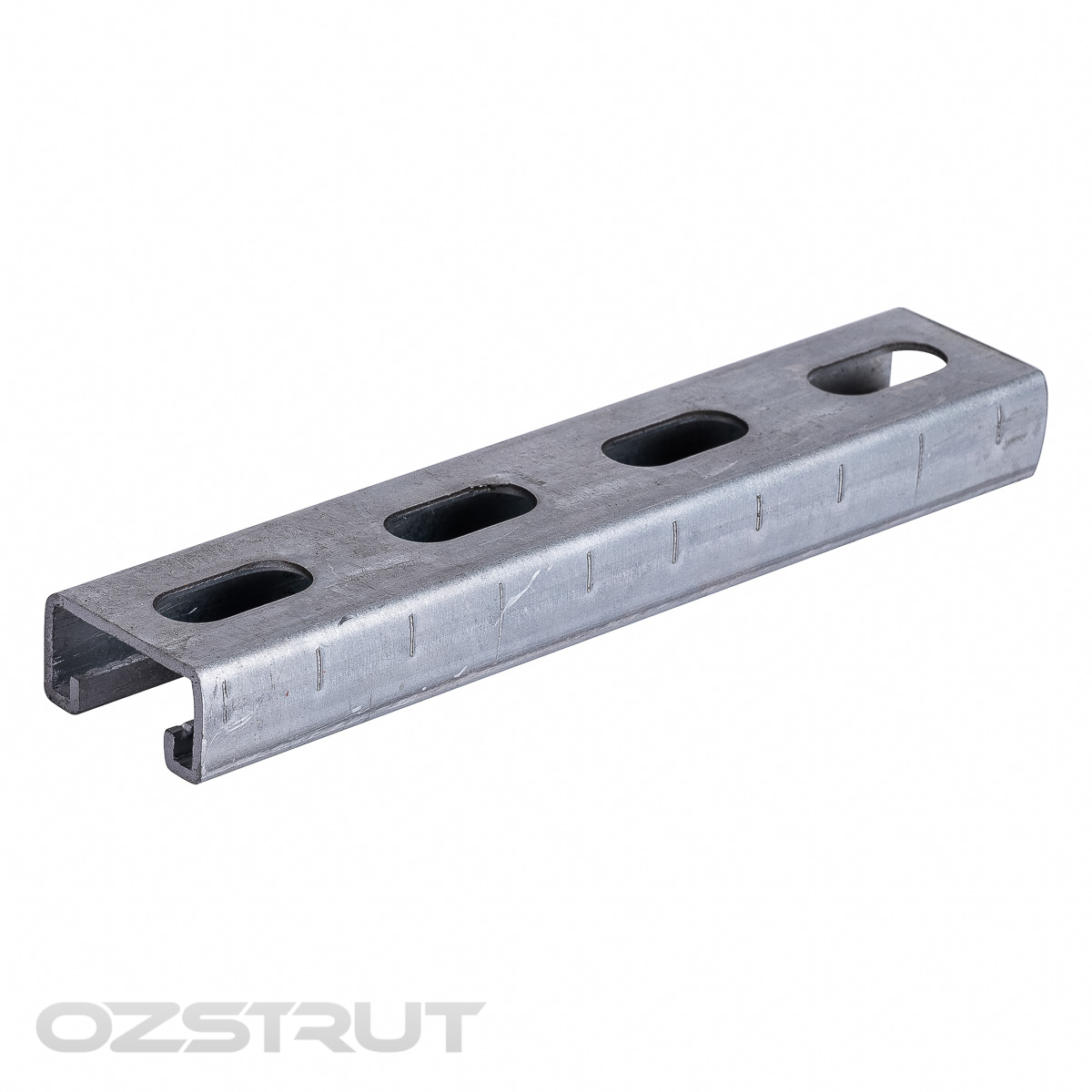 | Choose for general construction sites, adjustable pipework, ductwork, cable trays, or when alignment speed matters | Medium | The slots allow for easier mounting and connection, faster installation and simple future adjustments. Excellent for plumbing, HVAC, and electrical services where layout may change or require fine-tuning. |
| Back-to-Back Strut Channel 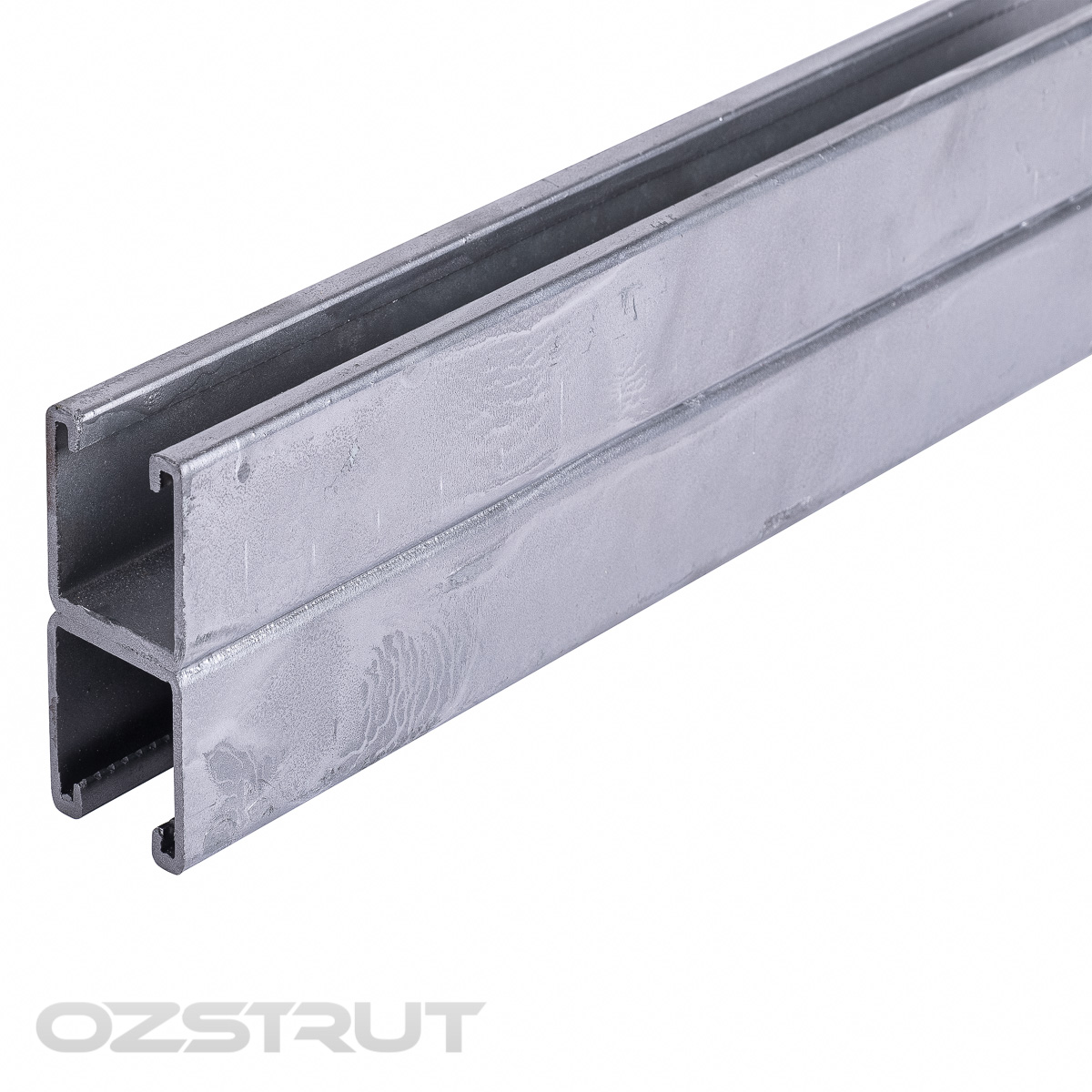 | Opt for long spans, multi-pipe racks, heavy HVAC units, or areas requiring extra rigidity | Very High | Combines two channels for extra support. Ideal for heavy-duty applications. Requires more planning and secure mounting. Best for industrial projects where load is extreme or multiple services are sharing the same framework. |
Conclusion: Unistrut vs Strut Channel
While Unistrut is a brand name, the product most people mean is a strut channel system. As a result of this knowledge you can now specify the right products, compare alternatives, and choose a system that suits your project requirements.
Whether supporting pipes, ductwork, or electrical services, strut channels provide a reliable, adjustable solution trusted across commercial and industrial construction.
Note: “Unistrut” is commonly used as a generic industry term. This article refers to strut channel systems and does not imply affiliation with or supply of the Unistrut® brand.
